

The 2026 midterm elections are just weeks away. And while there’s been plenty of attention on Gen Z voters since they swung right in 2024, there’s still a lot that’s misunderstood about this generation.
They’re not just a woke bloc — 2024 proved that. But they’re also not red-pilled MAGA hardliners. And there are core differences in political ideology between older and younger members of Gen Z.
What they’re saying…
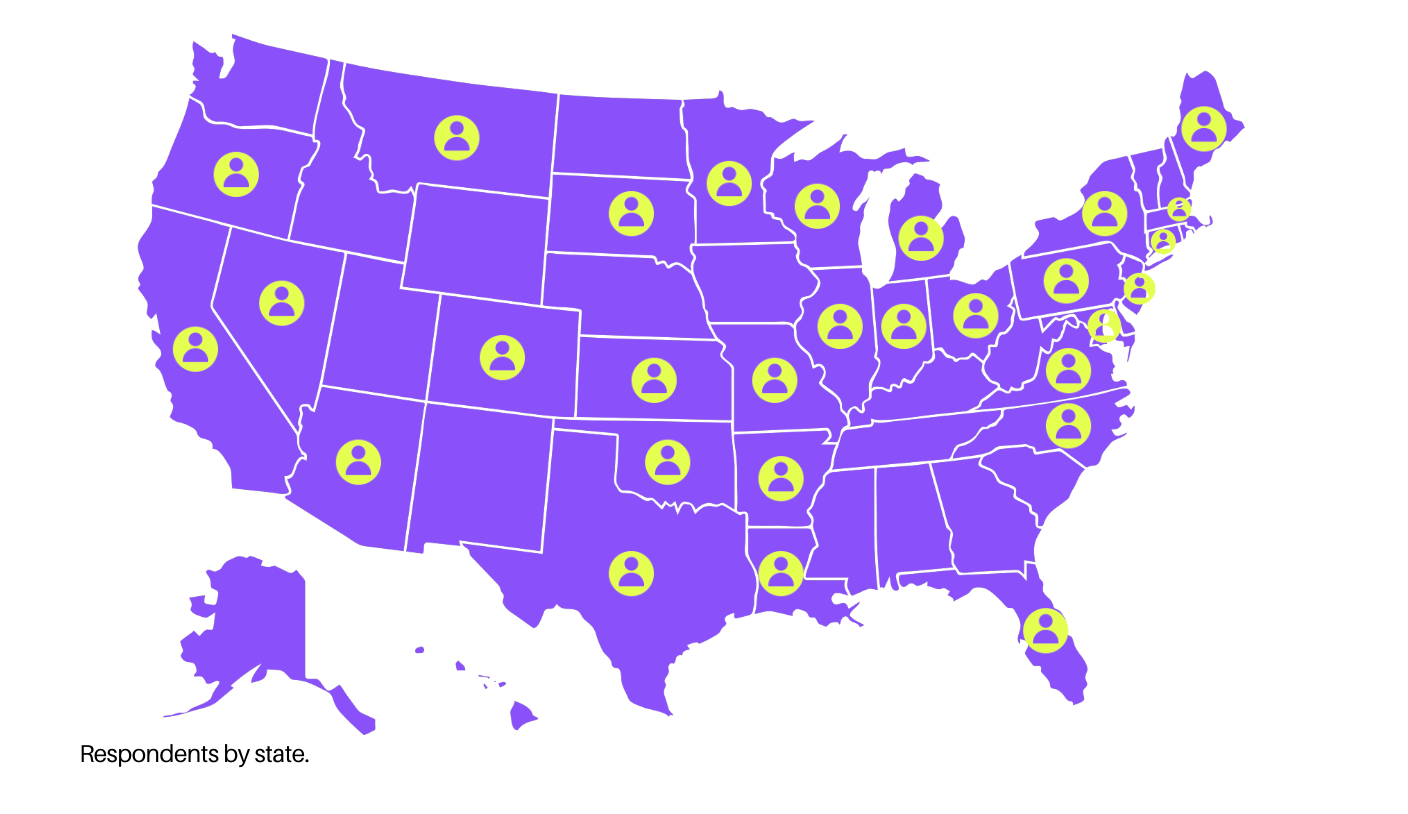
To get a better sense of how young voters, including 8.5 million potential first-time voters, are feeling ahead of the 2026 midterm elections, we spoke to them. In a series of nine focus groups and a reality check — one of our qualitative, community surveys — we heard from more than 70 young people, ages 17 to 33 in 28 states and Washington D.C.
The results are laid out in our 2026 Gen Z voter roadmap.
READ THE FULL ROADMAP, THE EVERYDAY ISSUE ELECTION, HERE.
The crux of it is that every midterm election has its theme, and in 2026, it’s about everyday issues.
Since 2016, we’ve been living in the culture war — where our politics have been dominated by topics of race, gender and social issues. In 2020, as Gen Z voters came of age, the culture war was at its peak and it felt like every candidate, race and issue was a reflection of our values.
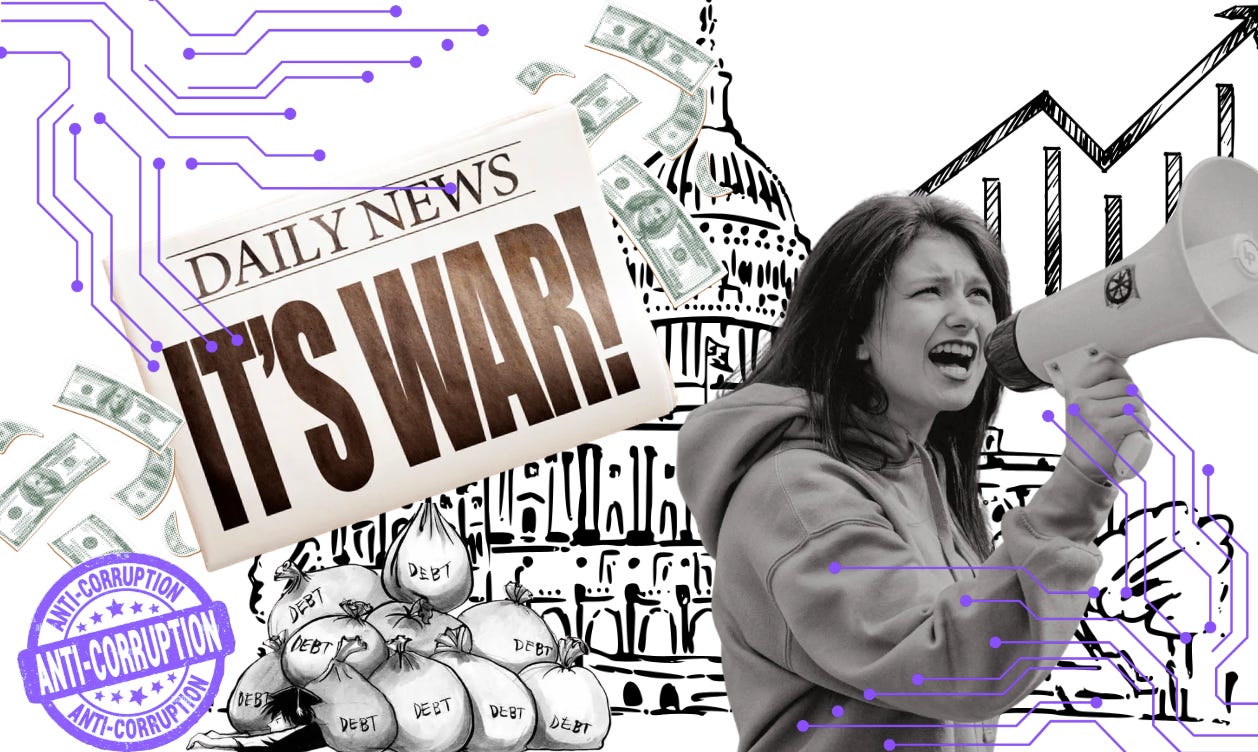
But today, young voters’ concerns are more material and far less ideological. There’s a common set of issues unifying Gen Zers across the political spectrum: the cost of living, inflation, AI, war, corruption.
They care a lot less about being woke and a lot more about being able to get a job and pay their rent — let alone buy a home. And they’re looking for candidates who get that.
Gen Z voters really just want their politicians to be good, honest people, who work hard for their community and country. That means tackling the cost of living, working on government programs like SNAP and WIC, embracing social policies when it comes to healthcare, jobs, education, and regulating AI. It’s not that complicated. And it’s party agnostic.
Our findings are grouped into five sections:
Post culture war and post gender war. Identity politics are a luxury that most people don’t have these days. Instead of divisive social issues, nearly everyone agrees that the top issues are the economy, AI, war, inflation, and corruption.
Socialism isn’t the point, social policies are. When young voters support socialist candidates or say they favor socialism writ large, it’s really because the status quo isn’t working. Life feels totally unaffordable, but young people believe that it doesn’t have to be this way. They want the government to provide Americans with a social safety net and endorse policies like universal or at least affordable health care, affordable housing, a higher minimum wage, affordable education, paid family leave, taxes on corporations, etc.
Hopemaxxing is trending. There’s a hunger for forward looking policies. Voters want to hear what a candidates’ plan is to fix — rather than maintain — the status quo. And young people are looking for candidates to inspire. They’re tired of candidates who just blame the other side.
AI feels out of control… and voters want politicians to take it on. From labels on AI generated content to restrictions for minors and data center moratoriums, young voters on the left and right want AI regulated and see this as a necessary issue for any politician to have a stance on moving forward.
Pothole politics is mobilizing Gen Z. Don’t sleep on Gen Z’s appetite for local politics. NYC Mayor Zohran Mamdani popularized the term ‘pothole politics’ i.e. the idea that he’s responding to voters’ concerns, even when they’re simple things like fixing potholes. He’s made a habit of fielding these concerns on social media and then posting reply videos showing how he’s addressed them. That boils down to transparency. Issues like infrastructure, potholes, and other local nuisances impact young people’s day to day. At a time when national politics feel impossible to influence, local issues feel more tangible, impactful and moveable. We’re hearing young people talk about local issues and how politicians are — or are not — responding.
READ THE FULL ROADMAP — THE EVERYDAY ISSUE ELECTION — HERE.
A prediction
As part of the roadmap, I’m also making a prediction. There’s less energy than there was in 2022 or 2018. And *unfortunately* I think we could see lower youth voter turnout than other recent midterms as a result.
2018 saw a whole wave of new voters, coming of age amidst a backdrop of urgent social issues like Me Too and March for Our Lives, and was the first post-Trump election. 2022 galvanized young female voters around reproductive healthcare access post-Dobbs and was a referendum for Republicans after January 6. But the 2026 election doesn’t have a hallmark event that young voters are responding to.
How people vote in the midterms will be all about the cost of living, but if young people don’t believe that any of the candidates can make a difference, they may not even show up.
Want to discuss?
Come hang out in The Up and Up’s subscriber chat. I’m ready for your hottest takes and political predictions. You can ask me anything, and I’ll share behind the scenes tidbits from our focus groups that didn’t make the report.

Tbh I work with Gen Z young adults closely every day and this has not been my exp at all. I don’t see that they’re all “post culture war and post gender war” oriented, those are usually one of the first things I hear them talking about.
Re The Roadmap: In hard times, hard truths are necessary to keep things from getting worse. If the Dems are not forceful in getting across the necessity of Gen Z voting like it’s their job as adults, we’ll ALL lose.
Challenge them: give them something to vote for FOR. Propose what they need. Then tell them you expect them to look for a better Dem if the one they pick doesn’t deliver. That you expect them to hold you accountable, and not just be the “non-R.”
Stop the Dem v Social Dem squabbling. That only serves the bad Dems (yes, they exist—too many who are complacent or are in the job for the “side benefits”). Make sure the platform has strong anti-corruption provisions, like reversing Citizens United. Tell voters and candidates that the party will help find and promote better candidates if an incumbent isn’t cutting it, that the party is not a protection racket. That’s a party’s job, really.
(I’m sure there are nicer ways of saying these things, Dems have the wordsmiths for that. But don’t lose the urgency or the fierceness- look at some old Ted Kennedy clips if you need inspiration on the style I’m referring to; Gen Z wants and needs fighters for their needs.)